
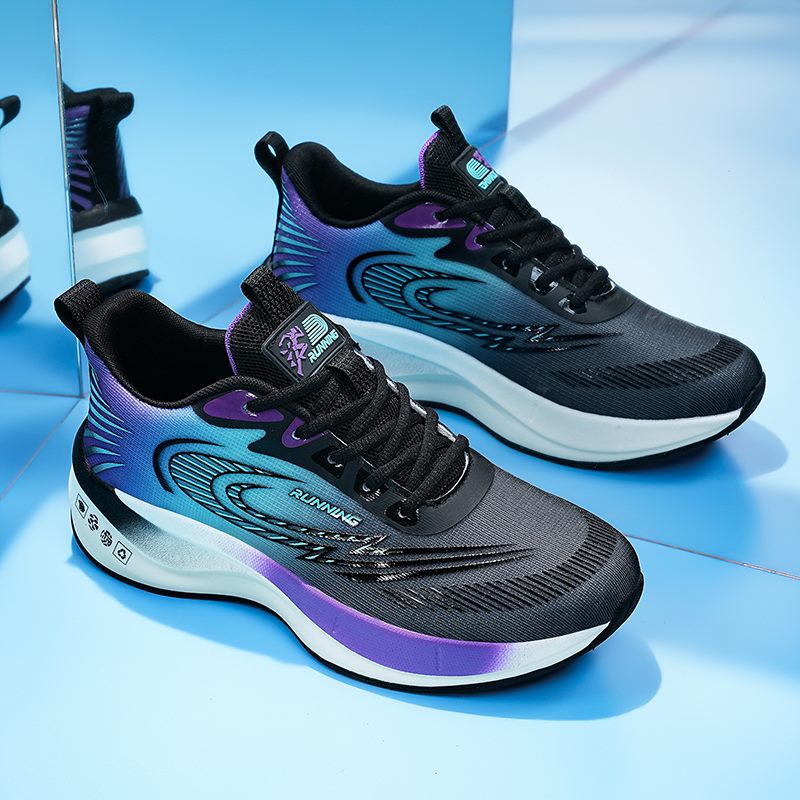
EVA: the commercial standard
EVA (ethylene-vinyl acetate) is the most widely used midsole foam. It is light, easy to mould into sculpted shapes and cost-effective, which makes it the default for value and core price points. Standard compression-moulded EVA gradually loses rebound with use; higher grades and blends improve softness and durability.
TPU: durable and bouncy, but heavier
TPU (thermoplastic polyurethane) foams, often made from expanded beads, keep their rebound for a long time and resist temperature changes well. The trade-off is weight: a full TPU midsole is noticeably heavier than EVA, so it is often used as an insert or in lifestyle-running styles.
PEBA: light and highly responsive
PEBA (polyether block amide) foams are very light and return a lot of energy. They are used in premium racing and performance shoes. Raw material and processing costs are high, and the foam is softer and less durable than EVA, so it suits premium price points.
Supercritical foaming
Supercritical foaming uses gas such as nitrogen or CO₂ under pressure to expand the material instead of chemical blowing agents. It can be applied to EVA, TPU or PEBA and produces a lighter, more resilient foam. It is a process, not a material — ask which base polymer is being foamed.
Comparison
| Material | Weight | Rebound | Durability | Cost level | Typical use |
|---|---|---|---|---|---|
| Standard EVA | Light | Moderate | Moderate | Low | Value and core styles |
| Premium / blended EVA | Light | Good | Good | Medium | Daily trainers |
| TPU bead foam | Heavier | High | Very good | Medium–high | Cushioned and lifestyle runners |
| PEBA foam | Very light | Very high | Lower | High | Premium performance |
Plates, rockers and air units
- Plates (nylon, TPU or carbon fibre) add stiffness and guide the roll of a tall foam stack.
- Rocker geometry — a curved sole profile — helps a thick shoe roll forward smoothly.
- Visible air units are a strong visual feature and change the cushioning feel in the heel or along the full length.
What to specify in your brief
- The target retail price, because it narrows the foam choice immediately.
- The intended use: daily running, walking, sport-lifestyle or performance.
- The feel you want: soft, balanced or firm and stable.
- Whether the style uses existing sole tooling or needs a new mould.
Material directions on a sample are confirmed during quotation and sample development; ask for the midsole specification in writing before approving bulk production.
Choose the right sole for your price point.
Our 40 thick-sole styles cover value, core and premium directions. Tell us your target price and feel, and we will suggest suitable constructions.
Discuss sole options Get the PDF catalog (40 styles)