
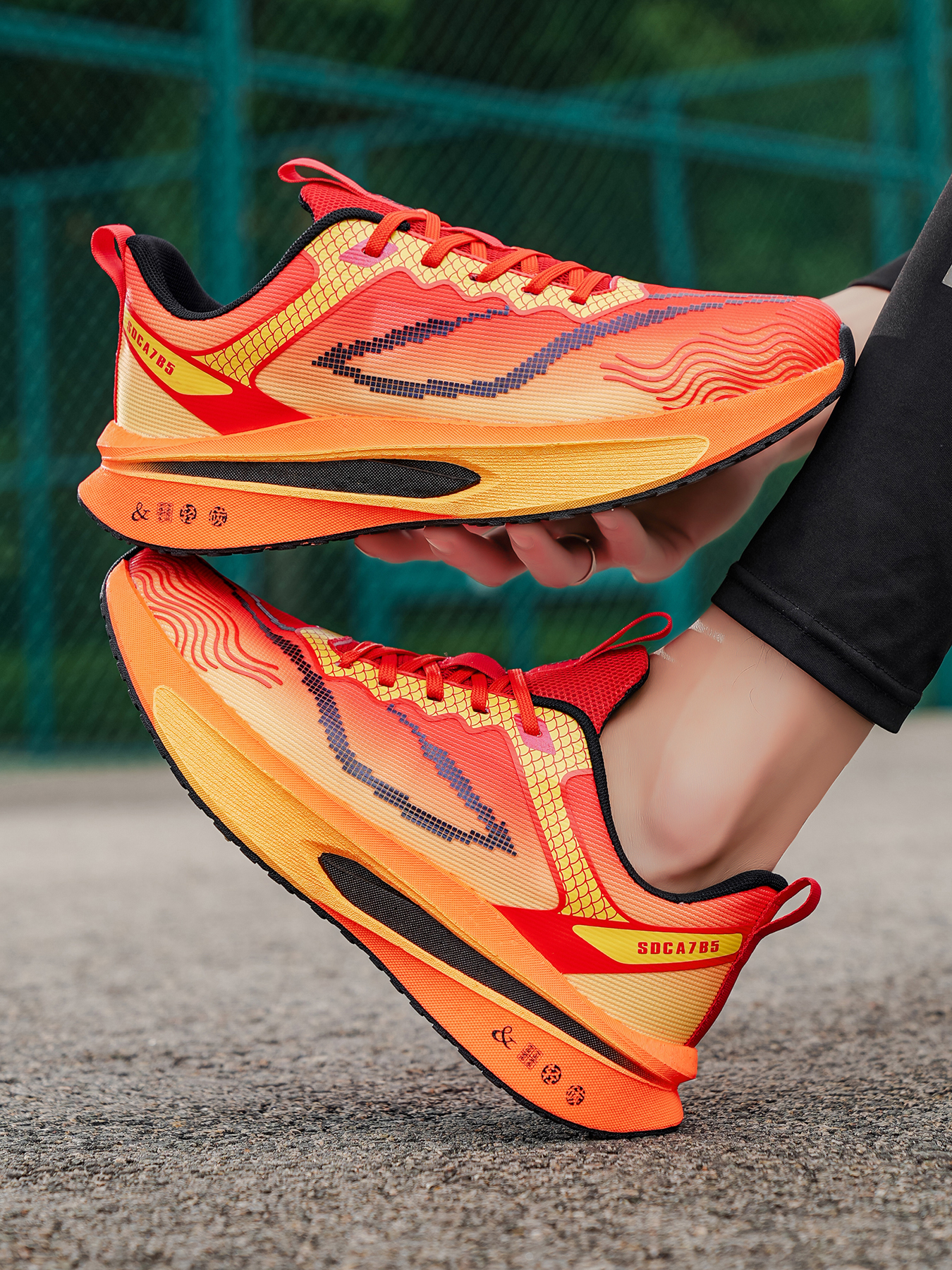
Sending a reference photo and asking for “something similar” rarely creates an efficient first round. The factory still has to decide who the shoe is for, which construction matters, what price level is realistic and which details are flexible. A useful brief turns those open questions into a shared development target.
1. Define the customer and use case
Start with the runner or wearer, not the decoration. State whether the shoe is intended for everyday road running, walking, gym use or a fashion-led athletic channel. Add the expected retail environment and destination market. This helps the development team interpret cushioning volume, upper support, outsole coverage and styling.
2. Set the commercial frame
Include target order quantity, target ex-factory price range, size range and intended launch date. A target cost is not a final quotation, but it helps avoid developing a construction that cannot fit the business model. If your forecast is uncertain, give a realistic first-order range and a separate repeat-order scenario.
3. Separate fixed requirements from preferences
Mark every requirement as fixed, preferred or open to recommendation. Logo placement, outsole height, key color, packaging and material restrictions may be fixed. Lace type, lining color or surface treatment may be open. This distinction lets the supplier solve problems without changing the core concept.
4. Use references precisely
Explain what each reference is meant to communicate. One image may show the preferred toe shape, another the color balance and another the outsole volume. Do not assume the factory knows which detail you want copied—and avoid asking for protected branding or confusing another company’s identity with a construction reference.
5. Provide fit and sizing information
State the target size system, sample size and any fit benchmark. If an existing last or approved insole length is relevant, include it. Confirm conversion expectations early for US, UK and EU size programs because label and packaging requirements follow those decisions.
6. Define the first sample’s purpose
A visual prototype, fit sample and production confirmation sample answer different questions. Tell the supplier what the first round must prove. For a new thick-sole concept, the first sample may focus on proportion, upper pattern and branding while material optimization follows after the direction is approved.
7. Agree on the feedback format
Use numbered comments linked to annotated photos. For each point, say what is wrong, what the desired outcome is and whether the change is mandatory. Keep an approval log so both teams know which version is current.
Ready to turn your brief into a sample?
Send your destination market, quantity, target cost, size range and visual direction. XiangChi can review the brief and identify the decisions needed before development begins.
Start a development brief